
It was always your favorite. Even though the term is never used correctly in science fiction. Fast and strong. Great endurance. Moderate armor. Unlike most other ship types designed for a unique role rather than an evolution of one.
The ships of the line, descendants of HMS Victory, had a bit of an interruption thanks to a bunch of pissed off Americans who decided to build ships out of iron to battle each other with. CSS Virginia, denied her very name by the lying bastards that wrote the history, tore into blockading ships until eventually running into the USS Monitor… A battle that is treated as a union victory even though neither ship could do anything to the other.
Meanwhile in the Holy City of all places, the world’s first submarine blew up a blockading union ship but sunk before making it back to port. The Hunley had two crews drown within her and kept being raised. Her third crew succeeded but paid with their lives as well.
Any other time and place it would be a cowards way to fight, But the Charlestonians were desperate to break the stranglehold so they could live in peace. Glory is great. Pointlessness isn’t. And if you can’t even have glory, do what you must to protect your family.
They found her and raised her a few years ago. Buried the remains of the last crew with confederate honors, with only historical reenactors available to try to give them a proper funeral. Though nowadays someone would probably scream “war crime”. 😒
Yeah, even the toughest, meanest battleship bulldog would be forced to to admire that kind of bravery.
But regardless of how the war went, The age of sail was at an end. Technology ruining everything again. But what were you going to do. The period of time between wooden and steel hulls was just odd. Thankfully no significant wars took place at sea so those hybrid ships could be spoken of and glorious terms given how freaking ugly they were.
The turn of the century was an interesting time. The bull in a China shop that was the American president that had lead the charge at San Juan Hill was in the White House and wanted to showcase the great new American fleet.
Beautiful beautiful ships were painted white and sent around the world to ports of call, most notably to Japan, whom America had opened up for trade decades earlier and was now a legitimate competitor in the Pacific now that America had a little empire of its own to defend.
No one at the time knew what the term pre-dreadnought was, but that’s what those ships were. Bristling with guns of multiple calibers, some in turrets and others in side cases, they were slow, coal-burning representations of top-of-the-line technology that was about to be made obsolete. But they looked great.
Congress didn’t even want to pay for the Great White Fleet to be sent around the world. Teddy had enough money to send them halfway across the world so he said he do it and then Congress could explain why they were stuck. So he got the rest of the money.

America was an up-and-coming rising power. But the top dog in that day was the British, Masters of the sea for over a century thanks to Nelson and a commitment by the country to have a navy big enough to equal the second and third largest navies on earth combined.
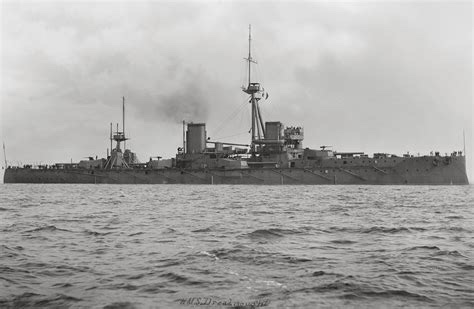
It was 1906 when Admiral Jacky Fisher‘s revolutionary ship – HMS Dreadnought – was commissioned making every other ship on the planet obsolete instantly.
“Fear God, and Dread not”
No mixed gun main battery. All or nothing. Ten 12 inch guns in five dual turrets. Thick armor. And just enough speed to outrun anything it couldn’t outfight. which at that point was pretty much coastal batteries.
The only way Dreadnought was in trouble was against five or six ships that had those 12 inch guns.
Naturally, every other nation had to follow suit. HMS Victory to CSS Virginia to HMS Dreadnought all within 50 years.
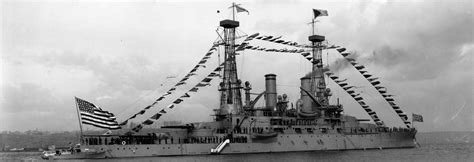
Well Fisher wasn’t done. The ships of the line prior to Dreadnought were retired as nations built their own “Dreadnoughts”. Germany built their Nassau class and America’s first were the South Carolina and Michigan. All built along the same lines. Slow lumbering giants all with about a dozen massive 12 inch guns.
But as these floating fortresses went to sea, the prominence of cruisers and subs began as an additional concern for nations. Sure, Big dreadnoughts ruled the waves, but far flung empires needed merchant ships and to keep the commerce flowing… especially Britain, being and island country that owned a quarter of the worlds land and ruled a quarter of its people.
Cruisers were faster than dreadnoughts and could easily devastate even a convoy of merchant ships. Sure you could have destroyer escorts, but they came about mainly to shoo off subs. There was really no defense against cruisers going up and down a trade lane and sending convoy after convoy of valuable wartime supplies to the bottom.
Something had to be able to kill them and the Dreadnoughts were too slow. Fisher then answered with his other great invention.
All ships were tradeoffs between armament, armor, speed, and endurance. So take a dreadnought, lengthen it so it can go faster and give it cruiser armor. You’ve got the big guns and endurance of a battleship, the speed to catch cruisers and armor just enough to protect against their gunfire.
Battle cruisers. Damn these ships were beautiful. And the mission was perfect. Long and lean, you would hunt down those commerce raiders like a cat hunting mice. Protect the defenseless merchant ships that were the lifeblood of an economy and be speedy and powerful on the ends of a battle line.
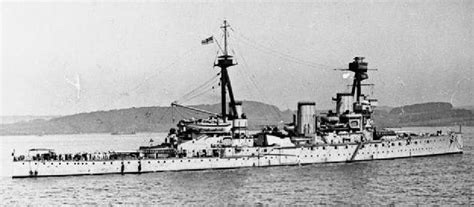
You even had the only guns powerful enough to fight battleships besides other battleships… but only at great risk. When you had no other choice. Fisher claimed “speed would be their armor”.
Cruisers were toast. The battle cruiser had slightly better armor but powerful engines and battleship guns. With that speed they even had a huge advantage against torpedoes, but usually just cruiser level protection if one of them hit.
Fucking torpedoes. There ought to be a law.
Eventually the Great War started and the Brits got to take on that German fleet the Kaiser had built to rival theirs.
At the Battle of Heligoland Bight, The Royal Navy baited the Germans in the waters right outside their main base at Wilhelmshaven. British destroyers harassed the patrols until they came out and RN light cruisers were there waiting for them. German heavy cruisers then responded and in the Wild melee, British battle cruisers under Beatty Swept in and devastated anything else that had been sent. By the time German battleships could even try to get on station, the Brits were long gone.
Even better was the Battle of the Falkland Islands that same year. The German Pacific squadron led by Admiral Graf Maximilian von Spee had the armored cruisers Scharnhorst and Gneisenau (the first ones) with a few other ships and had been terrorizing all trade in the South Pacific and at the Battle of Coronel destroyed the ragtag British elements that could fight back just off the coast of Chile. The British ships were so outgunned that the commander left the old battleship Canopus at their base at the Falklands because he was better off without her; she was just to slow.
But the devastation reached London and it was time to see what these ships could do. It wasn’t very often that the Royal Navy got torched by anyone, But they had the perfect tools for the job. Ten days later Admiral Sturdee took the battle cruisers Invincible and Inflexible out of Plymouth, bound for the long journey to the Falklands.
The journey was long because they had to conserve coal, but no other ships could do it that fast. After 26 days they arrived at the Falklands.
Admiral von Spee had just so happened to have planned a raid on the British colony and arrived the very next day. Must’ve been one hell of a surprise.

The battle cruisers could both outgun and outrun the German raiders. To say it was a decisive victory would be an understatement. To this day December 8 is still a celebrated day in the Falklands.
Battle cruisers excelled at the role they were designed for. But at Jutland two years later, their weaknesses were revealed. Used in the battle line screening the British battleships, Invincible, Indefatigable, and Queen Mary all exploded from hits like they were cruisers against The German battleships they didn’t realize they were up against.
Lessons were learned and the three battle cruisers the British were building all incorporated them. Armor was re-distributed. Belt armor was shown priority. Being merely two knots slower was well worth the extra protection.
Those three battle cruisers were the only ones to survive the Washington Naval arms limitation treaty and the only in service during World War II.
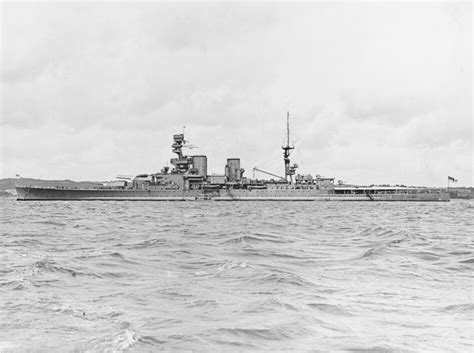
Hood and Repulse would not survive it. The former blown up by the ghost of Jutland and the latter sunk in the Pacific right alongside the battleship Prince of Wales by the newest bane of existence for proud ships… bombers. Only Renown survived the war.
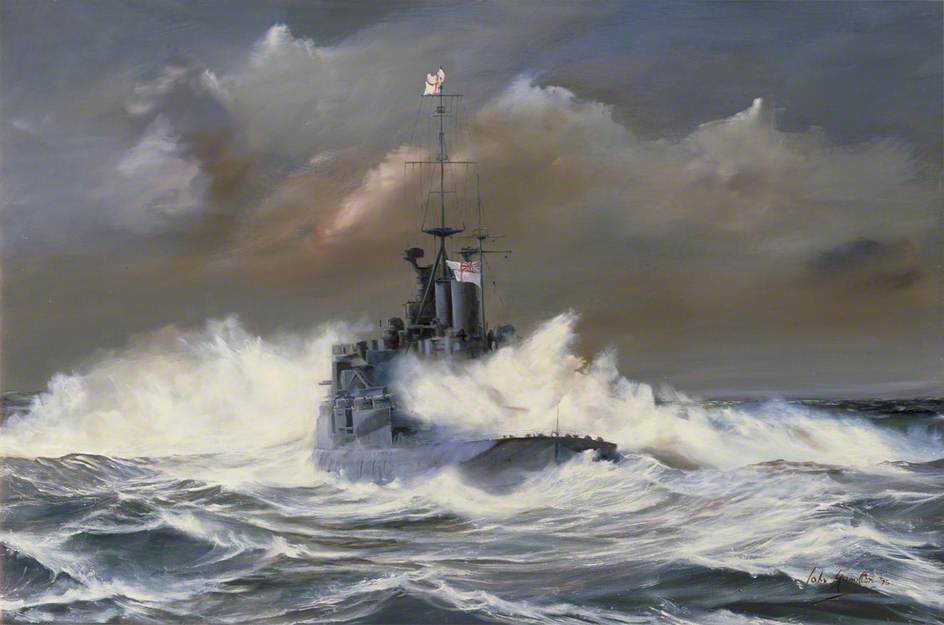
Japan had a few battle cruisers, but armored them up to battleships just before the war.
America tried to make some battle cruisers but that treaty killed that idea. Two of the poor things Lexington and Saratoga were turned into aircraft carriers. Later on they tried building a few war time large cruisers, the Alaskas, but by that point the technology had made the “fast battleship” possible. Between battle cruisers getting more armored and battleships getting faster, The concept pretty much came to an end.
And then everything else changed. Carriers. Missiles. Satellites. The only thing close to a battle cruiser was the big monster Kirovs the Soviets built in the 80s. Fast, armed to the teeth with massive anti-ship missiles, and lightly armored (as most ships are these days)… they call it one, despite the fact it was built to try to help knock out carriers instead of merchant ships despite the fact it was built to try to help knock out carriers instead of merchant ships. But it certainly wasn’t in the normal cruiser category.
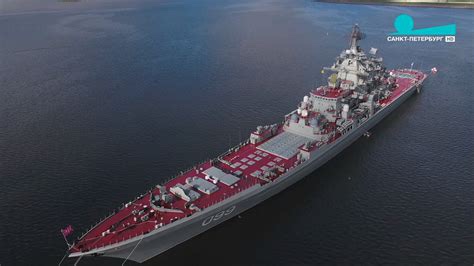
Lean and mean. The British named some of their battle cruisers Lion and Tiger – for obvious reasons. The only thing they needed to fear were the bulldog battleships that could take 15 inch shells as well as give them.
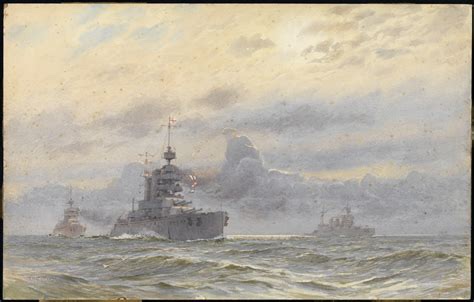
But even then those battleships feared the battle cruisers’ guns as well. Steer one of those long ships right and you might just Pierce his armor before he can pin you with his own gun fire.
Unique situations. Unique responses. Daring and bravery. You want something so you make what do you need to make to take care of business.
And the solution may not work for everything… but it helps to have a lot of tools in the chest.
Fast, rapid response if needed… almost like a heavy cavalry unit at sea. Hmm. No wonder you like them so much.
 It’s Not a Frame of Mind